Search Results for:

Oil Painting 101: Oils and Their Differences

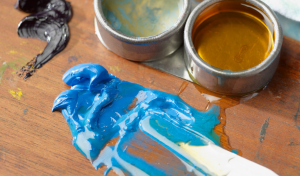
Oil is one of the main components of oil paint, but it is also used as a separate medium to adjust the paint’s properties during painting. Adding oil improves flow, increases transparency and gloss, and affects drying time. This makes oils one of the most traditional ways to modify how oil paint behaves.
Oil Painting 101: Painting Additives and How to Use Them

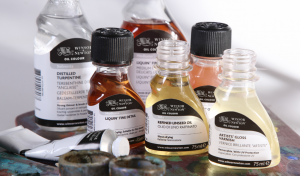
Oil paint can be used straight from the tube, but various additives allow you to adjust its properties to suit your painting technique. An additive can make the paint thinner or thicker, affect its drying time and sheen, and help create anything from thin glazes to textured layers of paint. The choice can seem rather complicated at first. Faced with shelves of oils, alkyd mediums, solvents, drying agents and varnishes, it can be difficult to know which product you need in a particular situation. In this Oil Painting 101 article, we introduce the main types of oil painting additives and explain the role they play.

On workshops and courses

Presentations The main goal of presentations is to let the participants get acquainted with new products, remember the old ones and share the new ideas in using the various handicraft and art products. Presentations provide abundant information about the qualities and using of products as well as let you try out the materials. Unlike the courses, here objects are not prepared or finished nor the techniques explored more thoroughly. Presentations in the studio are normally free of charge. Workshops Workshops are open to all the guests and have a clear topic. In workshops you can explore interesting materials or new techniques. You can also create a present for a friend, spend a great weekend with a family or just relax on your own. Handicraft workshops teach you to design the environment around us with handy means from your home – starting from the home decorations to jewellery, accessories, birdhouses and dollhouses. Usually, workshops take place at least every weekend, on Saturday. Workshops are for a fee. Advanced courses Advanced courses are provided by professionals and artists of given field. These are courses for exploring the techniques and in-depth studying of the history and uses of a specific material, for discussing … Continued

Our people

Wholesale Marketing Retail Purchase Warehouse

Paintbrush 101: Choosing the perfect watercolour brush

Watercolour is a beautiful and versatile medium that allows artists to create stunning works of art. Choosing the right brushes is one of the key elements in creating a watercolour painting. The type and quality of brushes you use can significantly impact your ability to achieve the desired effects and textures in your artwork. In this blog post, we’ll explore the different types of brushes best suited to watercolour painting, and provide guidance on choosing the right brushes for your artistic needs.

Paintbrush 101: Everything you need to know about oil paint brushes

Oil painting is a versatile and fascinating art form that has captivated artists for centuries. Choosing the right brushes is one of the most important aspects of creating beautiful and expressive oil paintings. With so many brushes to choose from, selecting the best brushes for oil painting can be confusing. In this in-depth guide, we’ll explore the different types of brushes used in oil painting and help you understand which ones are best suited to your artistic needs.

Paintbrush 101: How to choose the best brush for acrylic painting

Acrylic painting is a versatile and dynamic medium that allows artists to explore a wide range of styles, techniques and textures. One of the key elements that greatly influences the outcome of an acrylic painting is the choice of brushes. Because of the wide variety of brush types, sizes and materials, choosing the right brush for acrylic painting can be a little tricky. In the following blog post, we’ll take you through the factors to consider and the best brush choices for your acrylic painting journey.

Paper 101: Everything About Watercolour Paper

Watercolour paper is much more than just paper – it’s a tool that directly affects the behaviour of paint, water resistance, layering, and the final impression. Choosing the right one may seem daunting at first, but finding the right paper becomes a creative and exciting process once you know what qualities to look for. In this post, we’ll go over what watercolour paper is made of, the textures and formats available, and how to choose the right one to support your painting style.

Paper 101: How to choose the right paper for drawing, painting and graphics

Every artist knows that a great piece begins with the right materials, and paper is no exception. The right paper for your technique is more than just a surface to make marks on. Its composition, surface, and production method significantly affect not only the quality and longevity of your work but also how enjoyable the process feels. In this post, we’ll take a closer look at different types of paper and what sets them apart.

Pehme linooltrükk ja tekstiili värvimine Marabu Textil Print ja Aquarelle värvidega

Reljeeftrükkimine on trükiprotsess motiivide trükkimiseks kangastele ilma, et oleks vaja kasutada palju seadmeid. Kummist trükiplaadi lõikamine on imelihtne. Motiiv lõigatakse plaadi sisse ja seda saab seejärel reprodutseerida. Vaja on vaid pehmet trükiplaati, nikerdamise nuga, vahtkummist rulli ja trükivärvi. Fikseerimise järel saab trükitud motiivid värvida Marabu Textil Aquarelle tekstiilivärvidega.

Pencil 101: an in-depth introduction to graphite pencils

Graphite pencils are an essential tool in any artist’s toolkit, as well as a staple in school classrooms, offices and studios around the world. Graphite pencils offer versatility and precision from fine detail to detailed technical drawings. But what exactly makes a graphite pencil so unique? In this post, we’ll explore everything you need to know about graphite pencils, from their history and composition to their uses and types.

Pencil 101: An introduction to charcoal as a drawing medium

Charcoal has been a staple drawing medium for centuries, renowned for its rich tonal range, deep black tones and smooth mark-making capabilities. This simple tool can be used to create intricate details as well as lush shades that make works dynamic and expressive. Whether you’re an experienced artist or a beginner keen to explore different media, the versatility of charcoal can open up new creative possibilities.

Pencil 101: Comparing Derwent colored pencils

Derwent offers several different types of colored pencils that vary in composition, drawing feel, and overall result. If you’re looking for the right pencils for yourself, the choice may seem confusing at first. That’s why we’ve put together an overview of five of Derwent’s most widely used colored pencil ranges to help you find the one that best matches your drawing style and goals.

Pencil 101: Different types of pencils and their creative possibilities

When you walk into an art supply store and look at the pencil shelf, the choice can be overwhelming – coloured pencils, pastels, watercolours, drawing and sketching pencils. How are they all different and which one to choose? In this post, we’ll give you an overview of the main types of pencils, their characteristics and their uses, to make your orientation in the world of pencils a little easier.

Pihlakamoos betooni rüpes

Sügisene moosiuputus võib tabada ootamatult. Et mitte mattuda keedisekuhjade alla, on tark need koheselt ka kasutusele võtta. Mis saaks olla veel parem, kui kanda värskes õhus toimuval külluslikul õhtusöögil värske džemm lauale jaheda betooni süles, mis hoiab sellele asetatud juuste ka täpselt parajal temperatuuril!

Privacy Policy

The controller of the personal data of the online shop is AS Vunder (registry code 10324324), located at Pirni 7, Tallinn, phone +372 65 64 003 and email info@vunder.ee. What personal data are processed name, phone number and email address; delivery address; bank account number; cost of goods and services and data related to payments (purchase history); customer support data. Why personal data are processed Personal data are used to manage the customer’s orders and deliver goods. Purchase history details (date of purchase, goods, quantity, customer’s data) are used for preparing summaries of goods and services purchased and for analysing customer preferences. The bank account number is used to reimburse payments to the customer. Personal data such as email, phone number and the customer’s name are processed to handle any issues relating to the provision of goods and services (customer support). The IP address or other web identifiers of a user of the online shop are processed for the provision of the online shop as an information society service and for web use statistics. Legal grounds Personal data are processed for the purpose of performing a contract concluded with the customer. Personal data are processed for performing legal obligations (such as … Continued

Return Request Form

Return of goods One can withdraw from the order or claim exchange of goods within 14 days as of handing over the ordered goods to the Client. For this You need to send a corresponding e-mail to the address epood@skizze.ee, containing the order details on the withdrawal application form (download). Returning the ordered goods to the Seller within 14 days as of the informing shall be regarded as withdrawal from the order. The goods returned must be unused and in primary package. In order to use the 14-day right of withdrawal the ordered goods must not be used in any other way than it is necessary to establish the nature, characteristics and functioning of the goods in the same manner as it is allowed to be tested in the shop premises. If the goods have been used for other purposes than it is necessary to establish the nature, characteristics and functioning of the goods or it has signs of use or wear and tear, the Seller has a right to lower the returned fee according to the decrease in the value of goods. The costs associated with returning the goods shall be charged from the Client, unless the reason for return … Continued

Romantic and Progressive.

In the Kumu exhibition spaces is exhibition “Romantic and Progressive. Stalinist Impressionism in Painting of the Baltic States in the 1940s−1950s”.

Šabloonitehnika Marabu alkoholitindiga

Alkoholitintidega muutub šabloonidega töötamine põnevaks väljakutseks, mis pakub uudseid ja ainulaadseid tulemusi! Erilises šabloontehnikas saad luua väga paeluva ja mitmekihilise tausta, mis annab silmapaistva aktsendi su teosele ning erksad värvid muudavad tintidega saavutatud loomingu eriti säravaks.

Siiditrükk tekstiilile Marabu Textil Print värviga

Siiditrükk on trükkimise meetod, milles trükivärv surutakse spaatliga läbi raamil oleva peenekoelise kanga trükitava kanga peale. Need kohad, kuhu värvi ei ole vaja trükkida, muudetakse raamil värvile läbitungimatuks. Motiiv lõigatakse välja ja seda saab seejärel reprodutseerida. Paberšablooni kasutamine on iseäranis mugav töömeetod. Vaja on vaid raami, šablooni, nuga, veidi teipi, spaatlit ja Marabu Textil Print trükivärvi.

Skizze shop now also in Vilnius

Skizze shop can now be found also in Vilnius. The shop that was opened on August 22 is the fourth Skizze shop in the Baltic states.

Soap 101: Create your own perfect soap

Making soap is a simple, creative and rewarding activity that anyone can do – whether it’s for personal use or to create a one-of-a-kind gift. In this blog post, we’ll give you the basics of soap making so you can get started quickly and easily.